
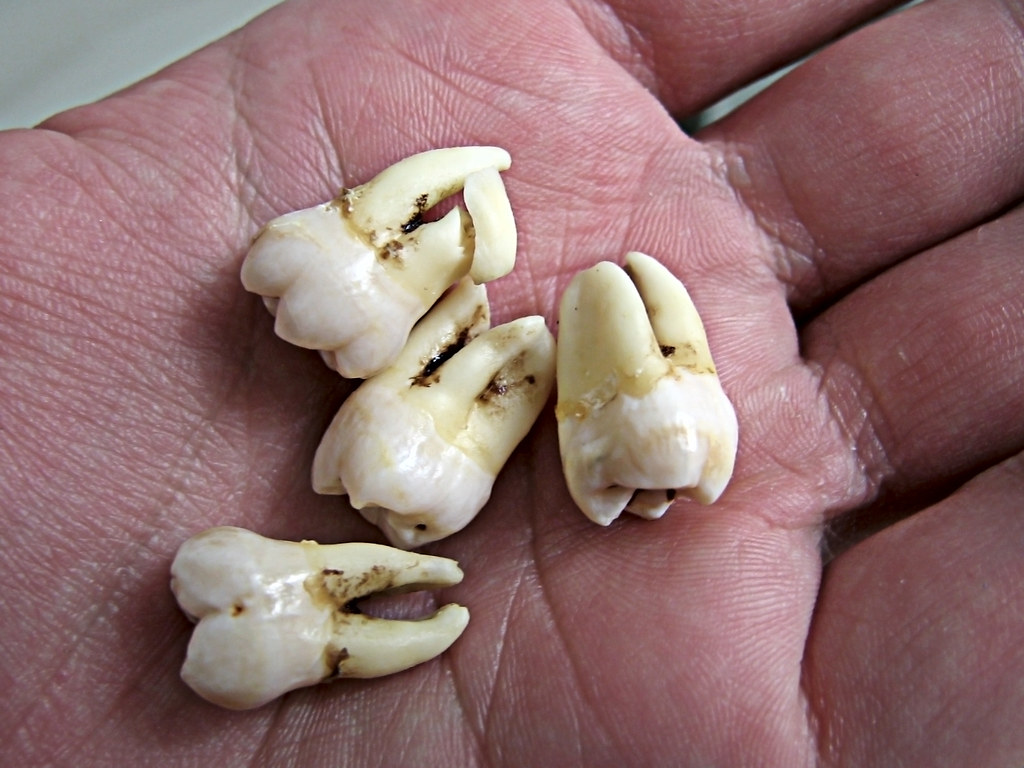
Getting your wisdom teeth pulled can be intimidating. You’re not alone in feeling nervous. A Wichita Falls dentist can guide you through the process with care and understanding. Here’s what you’ll encounter: First, you’ll discuss your health and dental history. Then, you’ll undergo a thorough examination. Next, your dentist will explain the extraction process. You might receive anesthesia to keep you relaxed. The actual extraction is quick. You may feel a little pressure, but there should be minimal discomfort. Afterward, you’ll get clear instructions to speed up recovery. Expect some swelling and minor bleeding, but they will pass. Use ice packs and soft foods to help your mouth heal. Follow your dentist’s advice to avoid complications. This procedure is common, and your dentist’s skill will ensure a smooth experience. You can feel more at ease knowing a professional is guiding you every step of the way.
Understanding the Procedure
Wisdom teeth removal is a routine procedure. Dentists have performed it countless times. Your dentist will use local or general anesthesia. Local anesthesia numbs the mouth, while general anesthesia makes you sleep during the procedure. The dentist will make small incisions to remove the teeth. They will then clean the area and stitch it, if necessary. The entire process is efficient and ensures your comfort.
Common Questions Answered
Many wonder about the pain involved. Rest assured, the anesthesia prevents pain during extraction. Post-surgery discomfort is manageable with prescribed medications. You might also ask about recovery time. Typically, healing takes a few days, but it varies per person. Avoid strenuous activities for a week to promote better healing.
Recovery Tips
Speed up recovery by following these tips:
- Keep your head elevated using multiple pillows while sleeping.
- Avoid using straws, as they can dislodge clots and affect healing.
- Stick to soft foods like yogurt and applesauce for a few days.
- Maintain oral hygiene by gently rinsing with warm saltwater.
These practices ensure a smoother recovery process.
Comparing Anesthesia Types
| Anesthesia Type | Consciousness Level | Pain Awareness | Recommended For |
|---|---|---|---|
| Local Anesthesia | Awake | No Pain | Minor Extractions |
| General Anesthesia | Asleep | No Pain | Complex Extractions |
Consult your dentist to determine the best option for you.
Potential Complications
Though rare, complications can occur. Dry socket is the most common one, where the blood clot dislodges, exposing nerves. This can cause discomfort and delay healing. Infection, though uncommon, is another possibility. That’s why it’s vital to follow your dentist’s aftercare instructions. Visit National Institute of Dental and Craniofacial Research for more information on oral health.
Conclusion
Wisdom teeth extraction is a standard procedure. Proper understanding and preparation ease the process. Rely on your dentist’s expertise to navigate any challenges. Rest easy knowing you are in capable hands. Follow the outlined steps to ensure a smooth recovery. Remember, with the right care, you’ll be back to normal promptly.
If you want to know about Teeth Whitening Boosts Confidence Instantly then please visit our Health category.
For more insights on common dental procedures, you might find this article helpful.
For those with a sweet tooth, you might also be interested in Reasons to Visit a Patisserie in Sydney, after your dental procedure.