
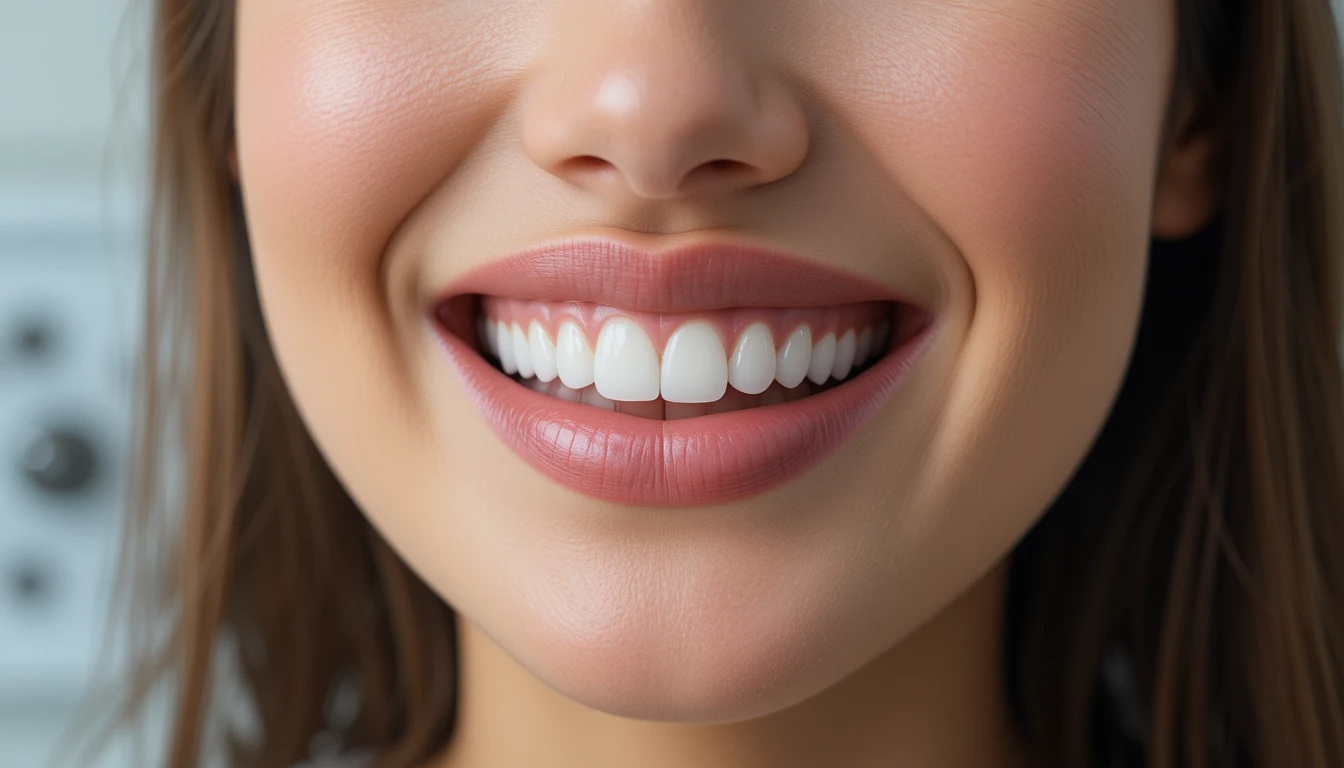
Your smile tells people if you feel safe, confident, or guarded. You may think changing it is only about whiter teeth or straighter edges. Instead, real smile design protects how your teeth work, not just how they look. Cosmetic skills shape color, size, and balance. Restorative skills protect bite, strength, and long term health. When these two parts do not match, teeth can chip, gums can recede, and jaw pain can grow. That is why you need a team that understands both. Many dentists in Newbury Park now plan smiles with photos, bite checks, and clear step by step goals. They do not rush to drill or place veneers. They study how you chew, breathe, and speak. They then design a smile that fits your face, age, and daily life. You get teeth that look natural and also stay strong.
Cosmetic Care Focuses On What You See
Cosmetic work changes how your smile looks. You feel the change each time you see a photo or look in a mirror. Core parts of cosmetic care include: We break this down further in Best Juicer Machine.
- Whitening stained or dark teeth
- Smoothing chips and rough edges
- Closing small gaps
- Shaping teeth that look too short or too long
- Aligning crowded or twisted teeth
Each change affects how people see you. Yet each change also places new pressure on your bite. If that pressure is not planned, trouble can grow over time.
Restorative Care Focuses On How Teeth Work
Restorative care repairs or replaces damaged parts of teeth. It also protects teeth that carry more force when you chew. Common types of restorative care include:
- Fillings that stop decay
- Crowns that cover weak teeth
- Bridges that fill spaces from missing teeth
- Implants that replace roots and support new teeth
- Bite guards that protect teeth from grinding
The National Institute of Dental and Craniofacial Research explains how decay and tooth loss affect your bite and long-term health. Restorative skill keeps your new smile from breaking down under daily use.
Why You Need Both At The Same Time
Cosmetic changes and restorative repairs share the same space in your mouth. They touch the same teeth and the same jaw joints. If you treat one without the other, the result can feel strange or even painful.
When your dentist plans both at once, you gain three key protections.
- Your bite stays even, so no tooth takes too much force
- Your gums stay healthy because teeth are shaped for easy cleaning
- Your jaw joints stay calm because the upper and lower teeth fit together
The American Dental Association notes that a stable bite lowers the risk of wear, fracture, and jaw strain.
Read More: 3 Ways Teeth Whitening Boosts Confidence Instantly
How A Team Designs Your Smile Step By Step
Strong smile design follows a clear path. You should know what comes next at each visit. Many treatment plans include three main steps.
- Study. Photos, X-rays, and bite checks show how your teeth and jaws work today.
- Plan. You and your dentist choose goals for color, shape, and function.
- Build. You test temporary changes. Then the team places the final work once the bite feels right.
This calm pace protects you from rushed choices. You gain time to test how new shapes feel when you eat, speak, and smile.
Cosmetic Only vs Restorative Only vs Combined Care
The table below shows how results can differ when care focuses on one side instead of both.
| Type of Care | Main Goal | Short Term Result | Possible Long Term Risk |
| Cosmetic Only | Change color and shape | Teeth look brighter and more even | Chips, worn edges, or jaw strain if bite is off |
| Restorative Only | Repair damage and decay | Less pain and better chewing | Teeth may not match in color or shape |
| Cosmetic And Restorative Together | Improve look and function | Natural smile that feels stable | Lower risk of breakage and jaw tension |
Common Problems When One Side Is Ignored
You may see fast results when only cosmetic work is done. Yet some problems can show up months or years later. These include:
- Hairline cracks in teeth that take too much force
- Headaches from an uneven bite
- Sensitivity from thin enamel after over-shaping
- Stains around old fillings that were not updated
Likewise, if you repair teeth without regard for looks, you may hide your smile or avoid photos. That can drain your mood and self-trust.
Questions To Ask Your Dentist
You have the right to know how your care plan protects both beauty and function. You can ask:
- How will this change affect my bite
- Will this treatment protect the tooth from future cracks
- Can you show how my upper and lower teeth will meet
- What options keep more of my natural tooth
- How long should these results last with normal care
Clear answers show that your dentist thinks about your whole mouth, not only one tooth at a time.
Protecting Your New Smile At Home
Once your smile design is complete, your daily habits control how long it lasts. Three simple steps help most people.
- Brush with fluoride toothpaste twice each day
- Clean between teeth with floss or small brushes
- See your dentist regularly for checks and cleanings
These steps sound small. Yet they protect the investment of time, money, and courage that you put into your smile.
Choosing A Team That Honors Your Trust
Smile design is not a quick fix. It is a careful plan that respects your health, history, and hopes. When you choose care that blends cosmetic and restorative skills, you protect more than your teeth. You protect how you eat, speak, and show emotion each day. That respect for your whole life is what your smile deserves.
If you want to know about Family Dentistry Explained: Care That Grows With You then visit our Health category.