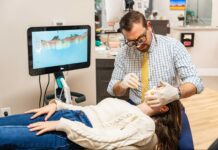
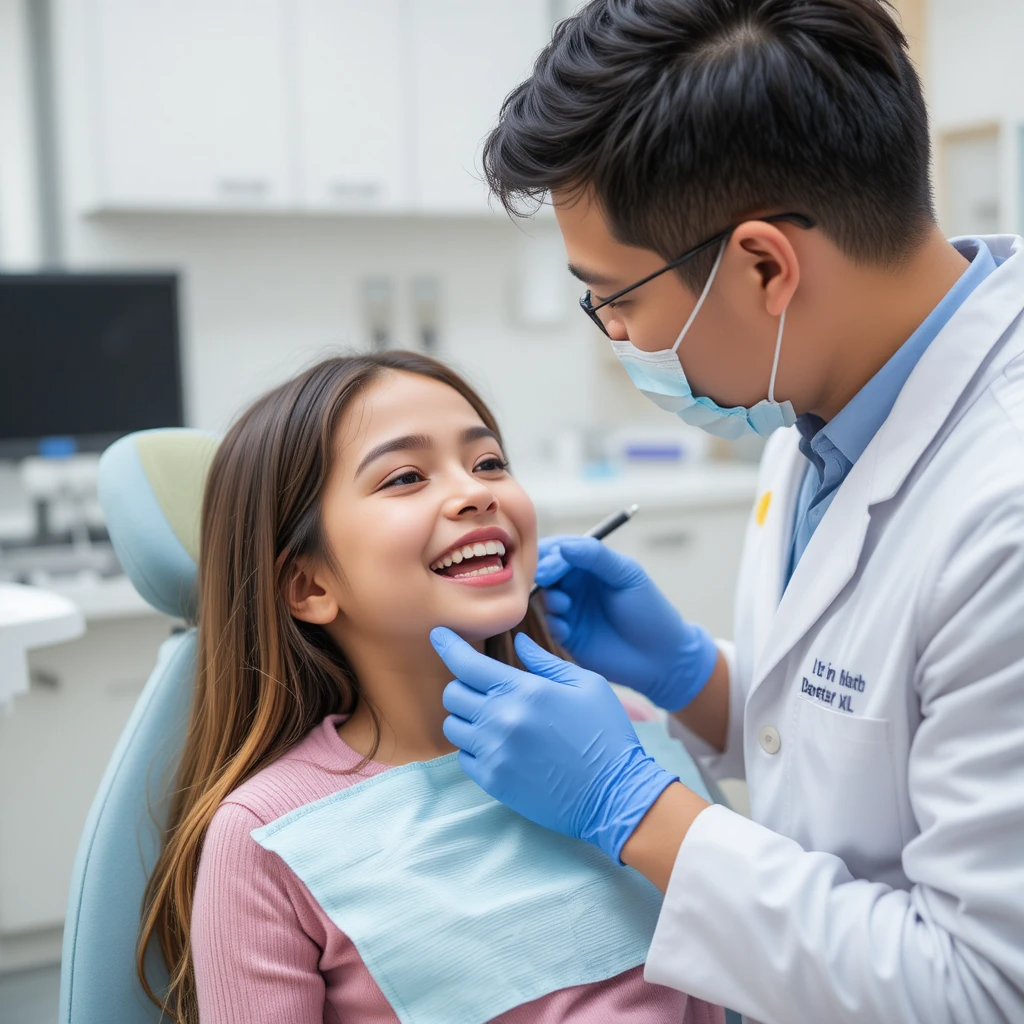
Your teeth carry your story. When decay, cracks, or missing teeth show up, you may feel shame, fear, or delay care. That delay often leads to more pain and higher costs. Early intervention with restorative dentistry gives you a different path. It protects your natural teeth, reduces future treatment, and helps you eat, speak, and smile with comfort. A Kissimmee dentist can spot small problems before they turn into root canals, extractions, or infections. Quick action also protects your jaw, gums, and bite from slow damage that you cannot see or feel at first. You gain control instead of waiting for an emergency. This blog explains five clear benefits of early restorative care so you can make calm, informed choices. You deserve a mouth that works well and does not hurt. You also deserve care that respects your time, your money, and your peace.
1. You keep more of your natural tooth
Tooth decay starts small. A soft spot. A tiny chip. A line of wear. When you act early, your dentist removes less tooth and keeps more of what nature gave you.
Here is what early care often means.
- Small cavity. Simple filling. Minimal drilling.
- Medium cavity. Larger filling. More loss of tooth.
- Large cavity. Crown or root canal. Big loss of tooth.
Every layer of tooth you save protects strength and comfort. Early fillings support the tooth wall and lower the chance of cracks. Crowns and root canals still help, yet they come after much more damage.
The National Institute of Dental and Craniofacial Research explains how decay grows over time and why early repair protects tooth structure.
2. You reduce pain and avoid dental emergencies
Pain often shows up late. By the time a tooth throbs, the decay may sit close to the nerve, or the tooth may have cracked.
Early restorative care changes that path. You address trouble before it reaches the nerve. You also fix small fractures before they split the tooth.
Common early warning signs include three things.
- Sensitivity to cold or sweet food
- Rough edges that catch your tongue
- Food packing between teeth that did not trap food before
Act on these signs. Do not wait for swelling, night pain, or broken teeth. Those events often lead to urgent visits and stronger treatment. Early repairs keep you out of the emergency chair and help you sleep without fear of sudden pain.
3. You lower costs over time
Dental care can strain any family budget. Early intervention often costs less in the long run. A small filling is usually cheaper than a crown. A crown is cheaper than a root canal with a crown. A root canal with a crown is cheaper than an extraction with an implant or bridge.
The table below shows a simple cost comparison pattern. These are example ranges only. Actual costs vary by clinic and region.
| Condition at first visit | Common treatment | Typical cost level | Number of visits |
|---|---|---|---|
| Small cavity | Tooth-colored filling | Low | One |
| Large cavity | Crown | Medium | Two |
| Deep decay with nerve pain | Root canal and crown | High | Two to three |
| Tooth cannot be saved | Extraction and implant or bridge | Very high | Several |
Early treatment also saves money in hidden ways. You miss fewer work hours. Your child misses fewer school days. You avoid repeat pain medicine purchases. You reduce travel and childcare for many visits.
The Centers for Disease Control and Prevention notes that untreated decay leads to more missed days from work and school. See their overview at CDC oral health conditions.
4. You protect your bite, jaw, and gums
One bad tooth affects more than one spot. When you lose part of a tooth, the way your teeth fit together can change. Over time, this affects your jaw joints and muscles.
Early restorative care keeps your bite stable. When your dentist rebuilds a damaged tooth to the right height and shape, nearby teeth stay in line. This protects three key parts of your mouth.
- Your jaw joints stay under less strain
- Your chewing muscles work in balance
- Your gums stay cleaner because food does not trap as easily
Missing or worn teeth can lead to shifting teeth and harder cleaning. That shift can raise your risk for gum disease. Treating chips, cracks, and early wear keeps chewing even and cleaning simple. Your jaw, gums, and remaining teeth all share the gain.
5. You support clear speech and confident eating
Teeth do more than chew. They shape words and guide your lips and tongue. When front teeth chip or go missing, sounds change. When back teeth hurt, you chew on one side and swallow larger pieces of food.
Early restorative care helps you.
- Chew on both sides without fear
- Speak at work or school without worry about whistling sounds
- Share meals with family without hiding how you bite
Children feel this strongly. A broken baby tooth or early loss of a permanent tooth can make a child stay quiet in class or avoid smiling in photos. Early repair or space holding protects speech and self-respect. Adults feel the same sting at job interviews, meetings, and family events.
How to act early for yourself and your family
You do not need perfect teeth to act early. You only need a clear plan and small, steady steps.
- Schedule regular checkups every six months or as your dentist suggests
- Say yes to X-rays when your dentist explains the need
- Tell your dentist about any change in bite, pain, or sensitivity
- Ask for a written plan with urgent, soon, and later steps
- Use payment plans or insurance benefits to handle needed work in stages
Early intervention with restorative dentistry is not about a perfect smile. It is about less pain, fewer surprises, and stronger teeth over time. When you treat small problems now, you protect your health, your budget, and your daily comfort. You also give your family a clear example. You show that caring for your mouth is an act of strength, not shame.
If you want to know about Why General Dentistry Encourages Early Oral Health Education then visit our Health category.