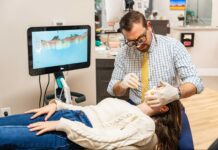

Your mouth shapes how you eat, speak, and feel about yourself. Early habits decide if that experience brings comfort or pain. General dentistry pushes early oral health education because waiting leads to decay, infection, and expensive fixes. You deserve clear guidance long before a crisis. A trusted Dentist in West Sahara, Las Vegas sees the same pattern again and again. Children and adults arrive only when something hurts. By then, damage is deep. Early teaching changes that story. You learn how sugar, smoking, stress, and skipped cleanings attack your teeth and gums. You see what daily brushing and flossing really prevent. You hear honest talk about cost, fear, and shame. You get simple steps. You can protect your mouth, protect your budget, and protect your confidence. Early education gives you control before pain takes it away.
Why Dentists Focus On Early Education
Dentists see the end result of delayed care every day. Cavities that reach the nerve. Infections that spread. Teeth that need removal. These problems grow in silence for years. They often start with missed cleanings and rushed brushing.
General dentistry encourages early oral health education because it changes that pattern. When you understand what is happening in your mouth, you act sooner. You schedule cleanings. You watch sugar. You teach your children to do the same. You lower the chance of sudden pain and rushed treatment.
Public health data supports this. The Centers for Disease Control and Prevention reports that untreated tooth decay affects about one in five children aged 5 to 11 years. Early education in homes, schools, and dental offices cuts this risk.
How Early Habits Shape Lifelong Health
You build mouth habits early in life. Those habits tend to stay. If you learn to brush twice a day and floss once, you keep that pattern as an adult. If you skip those steps as a child, you likely skip them later.
General dentistry stresses three simple habits.
- Brush with fluoride toothpaste twice a day.
- Floss once a day.
- See a dentist for routine checkups and cleanings.
The American Dental Association explains that fluoride strengthens tooth enamel and helps prevent decay. When you teach children why fluoride matters, they see toothpaste as protection, not as a chore.
What General Dentists Teach Children And Parents
General dentists do more than fix teeth. They teach. During early visits, they often focus on three things.
- How to brush and floss in a way that reaches every surface.
- How snacks, drinks, and bedtime routines affect teeth.
- How to handle fear and shame that keep people from making appointments.
You and your child see pictures or models that show plaque and decay. You hear clear words. No blame. No scare tactics. Just facts and simple steps. You leave with a plan you can follow at home. For a closer look, see 7 Simple Secrets to Rock Your Overseas Manpower Consultancy In Mumbai.
Early Education Versus Delayed Treatment
Early oral health education costs time and attention. Delayed treatment costs money and comfort, and often results in lost teeth. The contrast is sharp.
| Aspect | Early Oral Health Education | Delayed Treatment Only |
|---|---|---|
| Typical visits | Short checkups and cleanings | Emergency visits and long procedures |
| Pain level | Low | High |
| Common procedures | Cleanings, sealants, fluoride | Fillings, crowns, root canals, extractions |
| Costs over time | Lower and more predictable | Higher and sudden |
| Impact on school and work | Few missed days | Frequent missed days and lost focus |
| Emotional effect | Calm and confident | Fear, guilt, and stress |
When you see this comparison, the reason for early education becomes clear. You either invest in simple daily care or you pay for crisis care later.
Role Of Families, Schools, And Dentists
You do not carry this burden alone. General dentistry works best when families, schools, and clinics share the job.
- Families set routines at home. You control brushing time, snacks, and dental visits.
- Schools can share age-based lessons about teeth and healthy food.
- Dentists and dental teams give clear teaching during each visit.
When each group does its part, children hear the same message in three places. That repetition builds strong habits. It also removes shame. A child hears that many people struggle and that change is possible.
Facing Fear, Shame, And Cost
Many people stay away from the dentist because of fear. Some fear pain. Some fear lectures. Some fear the bill. General dentistry that focuses on early education tries to break that cycle.
You can start by telling your dentist what you fear. You can ask for simple words and clear choices. You can ask about payment plans and low-cost clinics in your community. You can bring your child early so the office feels normal, not scary.
Early education also helps with cost. Routine visits catch small problems when they need small fixes. That protects your savings as well as your health.
How To Start Early Oral Health Education Today
You can start early oral health education in your home now. You do not need special tools. You need three actions.
- Talk about teeth during daily tasks. Explain why you brush and floss.
- Make dental visits regular instead of waiting for pain.
- Ask questions at each visit, so you leave with clear steps.
You can also share trusted resources from government and educational sites with your family. You can print simple charts. You can set timers for brushing. You can choose water over sugary drinks at meals.
Your mouth is part of your daily life, not a side issue. Early oral health education gives you and your family a steady base. You reduce pain. You control costs. You protect your ability to eat, speak, and smile without fear.
If you want to know about Family Dentistry Explained: Care That Grows With You then visit our Health category.