
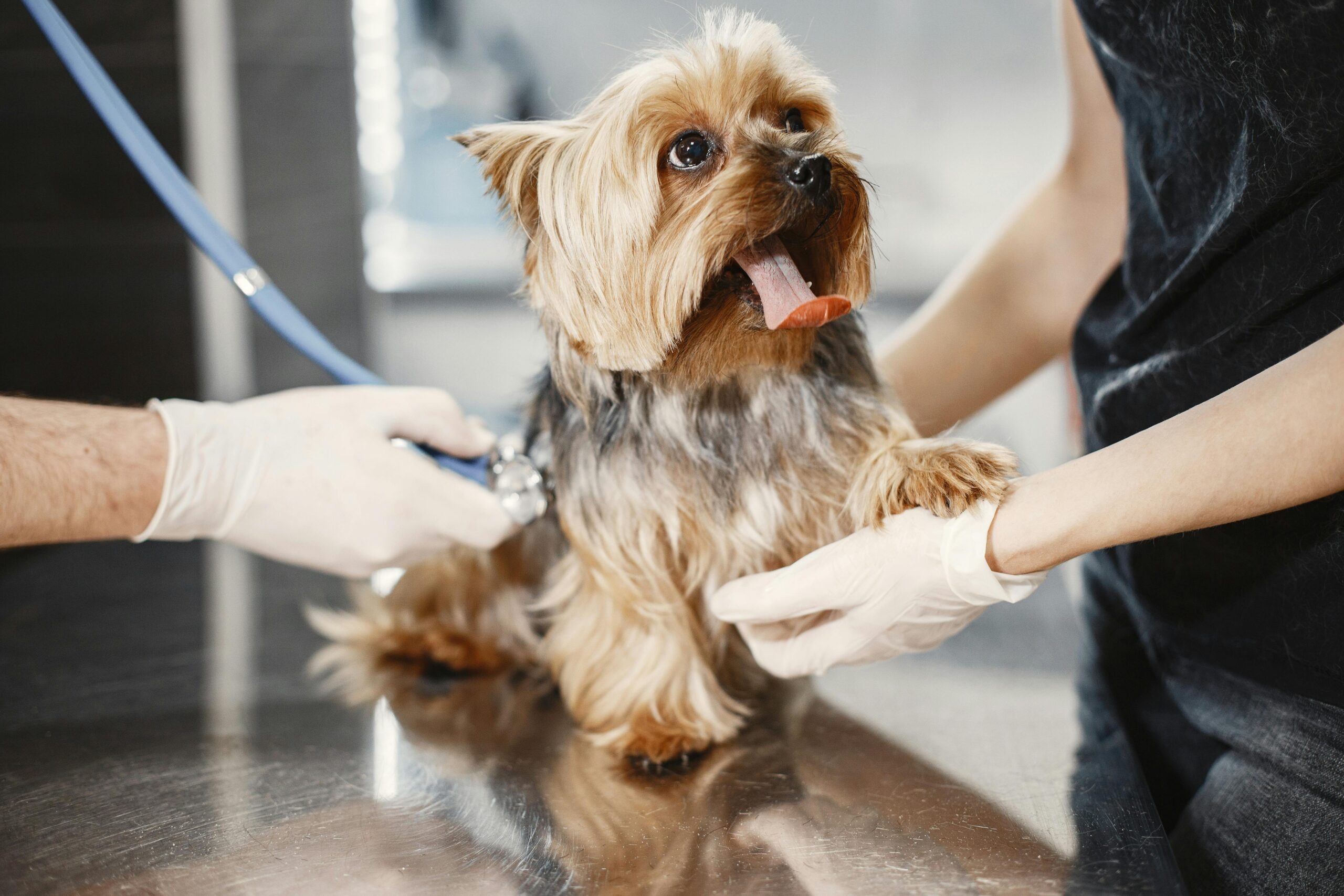
Caring for a pet involves more than just providing food and shelter. A general veterinarian plays a crucial role in keeping pets healthy and happy. Routine check-ups, vaccinations, and preventive care are all part of what a vet does. These visits can catch health issues early, making treatment simpler and more effective. Just like a trusted family doctor, a general vet builds a long-term relationship with your pet. This relationship is vital for understanding your pet’s unique needs. A Simcoe vet, for example, can offer tailored advice based on your pet’s lifestyle and environment. They also guide you in nutrition, exercise, and behavior, ensuring your pet thrives. Remember, a general vet is not just there for emergencies. They are partners in your pet’s health journey, providing the care and knowledge needed to keep them at their best. This proactive approach can lead to a longer, healthier life for your pet.
Routine Check-Ups: The Foundation of Pet Health
Routine check-ups are like regular maintenance for your car. They identify small issues before they become serious problems. During these visits, vets perform physical exams and assess your pet’s overall health. They may check weight, heart rate, and temperature. These simple checks can reveal underlying conditions that might need further attention. Additionally, vets can recommend blood tests or other diagnostics if needed. This thorough approach ensures that nothing is missed.
Importance of Vaccinations
Vaccinations protect pets from common illnesses. Diseases like rabies, parvovirus, and distemper are preventable with timely vaccines. A vaccination schedule tailored to your pet’s age and lifestyle is essential. Pets that often interact with others might need different vaccines than those who stay home. By following a proper vaccination schedule, you protect not only your pet but also other animals and people. The Centers for Disease Control and Prevention (CDC) provides comprehensive guidelines on the importance of vaccinations for pets.
Preventive Care: Stopping Problems Before They Start
Preventive care includes a wide range of practices. From dental care to parasite control, these preventive measures keep pets safe from common health issues. Dental care prevents gum disease, which can lead to more serious health problems. Regular flea and tick prevention is vital, especially if your pet spends time outdoors. These small steps make a big difference in maintaining your pet’s health.
Understanding Your Pet’s Unique Needs
Every pet is unique. A general vet understands this and works to meet each pet’s specific needs. They consider factors like breed, age, and lifestyle. This personalized approach ensures that each pet receives the best possible care. For example, large dog breeds might require different exercise routines compared to smaller breeds. Vets provide guidance on diet, exercise, and other lifestyle factors to keep your pet thriving.
Nutrition and Exercise: Key Components
Nutrition and exercise are vital for a pet’s well-being. A balanced diet supports growth and energy levels. Vets help you choose the right food for your pet’s age, size, and health status. Exercise keeps pets fit and prevents obesity. Whether it’s daily walks for dogs or interactive toys for cats, exercise is essential. Vets offer advice on creating a balanced routine that suits your pet’s needs.
When Emergencies Occur
While routine care prevents many issues, emergencies can still arise. In these situations, a general vet is your first point of contact. They provide immediate care and stabilize your pet. This quick response can be lifesaving. It’s crucial to have a vet you trust and can reach easily during emergencies. Building a relationship with your vet ensures they are familiar with your pet’s history, enabling them to provide the best care.
| Aspect | Routine Care | Emergency Care |
| Frequency | Regularly scheduled | As needed |
| Focus | Preventive and early detection | Immediate treatment |
| Outcome | Long-term health | Stabilization and recovery |
The Long-Term Benefits of Regular Vet Visits
Routine vet visits have numerous long-term benefits. They ensure ongoing health and early detection of potential issues. This proactive care increases life expectancy and improves quality of life. Knowing your pet is healthy brings peace of mind. Additionally, regular visits strengthen the bond between you and your vet, creating a trusted partnership.
In conclusion, a general veterinarian is an essential part of your pet’s life. They provide comprehensive care that goes beyond treatment. By focusing on prevention, nutrition, and personalized care, they help pets live healthier, happier lives.