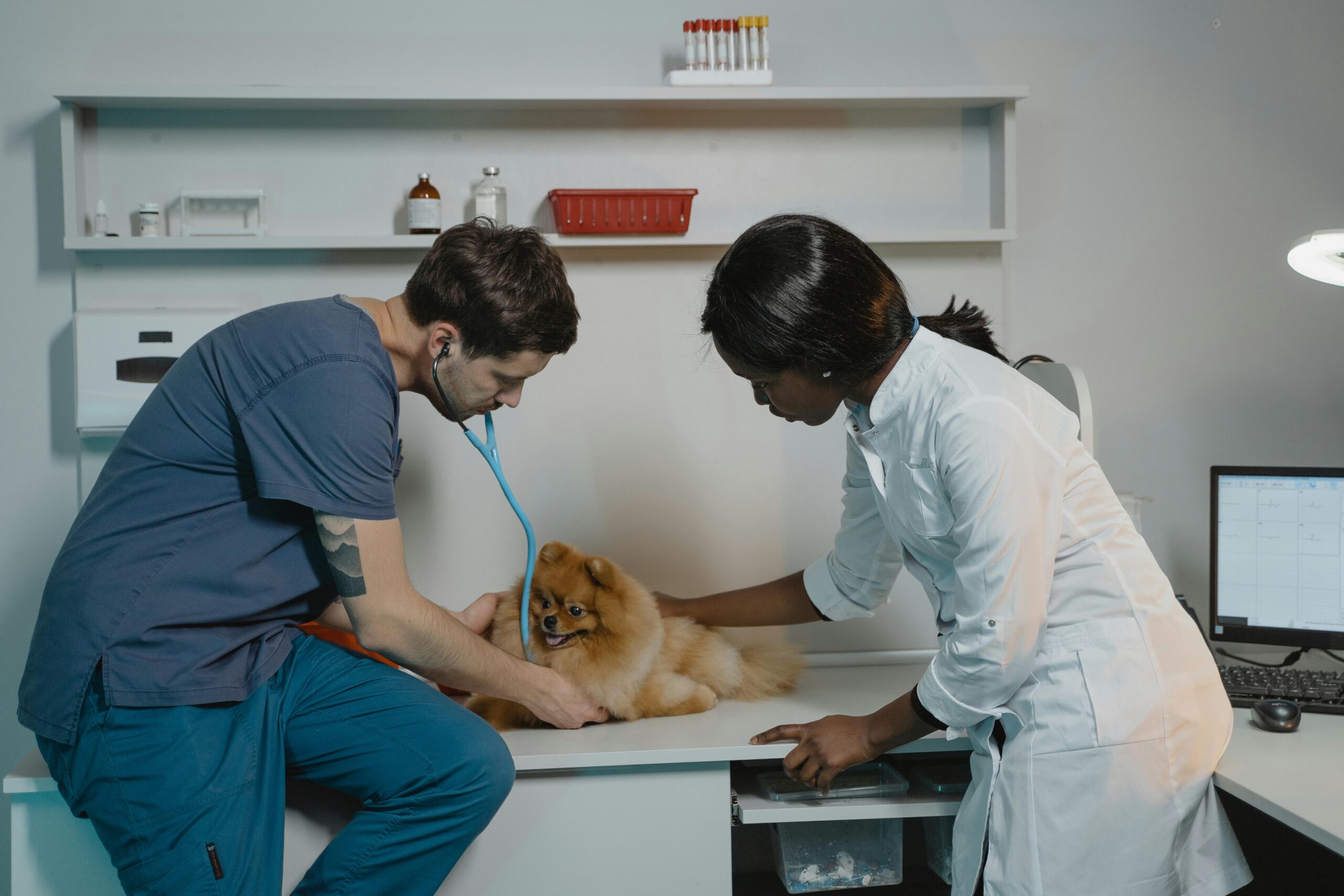
Visiting a small animal hospital can be unsettling. You may feel worried or anxious. But knowing what to expect can ease your mind. When you head to the Richmond Hill pet hospital, the goal is simple: ensure your pet receives the best care. You will likely start at the front desk where staff will greet you warmly. They collect basic information about your furry friend. Then, a veterinary technician will lead you to an exam room. In the exam room, you will meet the veterinarian. They will check your pet’s health and ask questions about any concerns. Expect honest communication and personalized advice. The team may suggest tests or follow-up visits. At this point, ask any questions you have. You deserve clear answers and guidance. After the visit, you will receive instructions for home care. Always remember, that these professionals care deeply about your pet’s well-being.
Your Pet’s Health Checklist
Understanding what a vet checks can prepare you. They will assess your pet’s weight, temperature, and general health. Let’s look at a simple checklist of what the vet might examine:
| Health Check | What It Involves |
| Weight | Ensure your pet maintains a healthy weight |
| Temperature | Check for fever or unusual temperature changes |
| Coat and Skin | Look for signs of fleas, ticks, or allergies |
| Teeth and Gums | Assess for dental issues and oral health |
| Heart and Lungs | Listen to detect any abnormal sounds |
| Joints and Muscles | Check for mobility issues or pain |
Questions to Ask Your Veterinarian
Asking questions is essential. It helps you understand your pet’s health better. Here are three important questions you might consider:
- What vaccinations does my pet need?
- Is my pet at a healthy weight?
- How can I improve my pet’s diet and exercise?
Feel free to ask about any specific concerns or behaviors you’ve noticed. The veterinarian is there to help you and your pet.
Understanding Common Tests
Sometimes, the vet may recommend tests. These tests help in diagnosing and ensuring your pet’s health. Common tests include:
- Blood Tests: Check for internal issues and overall health.
- X-Rays: Examine bones and detect injuries or illnesses.
- Urinalysis: Screen for urinary tract infections and kidney health.
Each test has its purpose. Understanding these can help reduce anxiety about the unknown.
Preparing for Follow-Up Visits
Follow-up visits may be necessary. They ensure ongoing care and help track your pet’s progress. Each visit builds a record, making future visits smoother. These visits often involve:
- Monitoring any health changes
- Adjusting treatments or medications
- Reassessing your pet’s diet and exercise
Consistency in care is key to your pet’s long-term health.
Resources for Pet Owners
For more information, explore these resources:
- American Animal Hospital Association offers tips and insights on pet care.
- American Veterinary Medical Association provides guidance on veterinary care standards.
Knowledge empowers you to make informed decisions about your pet’s health. Visit these websites for credible advice and updates.
The Importance of Routine Care
Routine care is not only about treatment but prevention. Regular check-ups help detect potential issues early. They also offer a chance to update vaccinations and discuss changes in behavior or diet. By staying proactive, you protect your pet’s health and happiness. Remember, a healthy pet leads to a joyful companion.
In conclusion, visiting a small animal hospital is a step towards ensuring your pet’s well-being. Knowing what to expect reduces stress and helps you focus on your pet’s needs. With the right questions, understanding of tests, and commitment to follow-ups, you can provide the best care for your furry family member.
Apart from that, if you want to know more about The Importance of Routine Check-Ups at the Vet then visit our Pets category.
For more insights on what a vet checks during a visit, you might find Reasons to Visit a Patisserie in Sydney interesting.