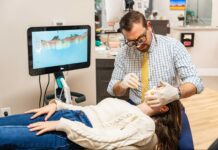

You see more people talking about straighter teeth now than ever before. Braces and clear aligners are no longer only for children. Adults ask for fast, discreet changes that fit work, family, and money limits. Social media, video calls, and constant photos put your smile under a sharp light. This pressure can feel harsh. Yet it also pushes new choices that are less bulky and less visible. Clear trays, tooth colored brackets, and shorter treatments give you more control. You can address crowded teeth, gaps, and bite problems while you keep your daily routine. Local practices that focus on Colorado Springs orthodontics now offer plans that match different goals and budgets. You may want a small change before a key event. Or you may seek a full correction. This blog explains why cosmetic orthodontic options are rising and what that means for your health and confidence.
Why more people care about how their teeth look
Three forces drive this trend. First, you appear on camera often. Work meetings, school events, and family calls now sit on screens. Second, you stay active longer. You want your teeth to match how strong you feel. Third, treatment has changed. Old metal braces once scared many adults. New options lower that fear. For a closer look, see 5 Busted Myths Of Composite Bonding.
The American Dental Association explains that straight teeth help you clean your mouth better and lower decay risk. You not only shape your smile. You also protect your health.
What “cosmetic orthodontics” really means
Cosmetic orthodontics means you focus on how your teeth look. You still correct bite and crowding. Yet your main goal is an even, pleasing smile that fits your face. You also want treatment that blends into your life.
Common goals include three simple points.
- Straighter front teeth that show in photos
- Smaller gaps or less crowding
- A bite that feels steady and lets you chew with less strain
These goals sit close to standard orthodontic care. The difference is your focus on a shorter timeline, lower notice from others, and comfort with work and family duties.
Common cosmetic orthodontic options
You now see three main choices.
- Clear aligners
- Ceramic or tooth colored braces
- Short term front teeth braces
Each path has strengths and tradeoffs. You can review them side by side.
| Option | How it looks | Typical use | Care needs |
|---|---|---|---|
| Clear aligners | Clear trays over teeth | Mild to moderate crowding or gaps | Wear 20 to 22 hours per day. Remove for food. |
| Ceramic or tooth colored braces | Brackets blend with teeth | Mild to complex bite and crowding | Brush with care around brackets. Avoid hard foods. |
| Short term front teeth braces | Often tooth colored on front teeth | Cosmetic front teeth changes only | Follow visits often. Focus on front teeth cleaning. |
Health benefits beyond a nicer smile
The look of your teeth matters. Your health matters more. Straight teeth help you in three clear ways.
- Cleaning gets easier. A brush and floss can reach more surfaces.
- Gums face less strain from crowding or crooked roots.
- Jaw joints face less stress from bite problems.
The National Institutes of Health notes that untreated bite problems can be linked with tooth wear and jaw pain. Cosmetic treatment that improves your bite can help reduce these risks.
Why adults now choose treatment more often
Adult orthodontic care used to feel rare. Now it feels common in many clinics. You might see parents starting braces at the same time as their children.
Three reasons stand out.
- Clear aligners and ceramic braces are hard to see in photos.
- Flexible payment plans spread the cost over time.
- Shorter, focused treatment plans target only what bothers you most.
Adults also share more online stories about their progress. This reduces fear. It also gives you a sense of what to expect with soreness, visits, and daily life.
What treatment feels like day to day
You can expect some pressure when teeth start to move. This often peaks during the first days after a new aligner or wire change. Over-the-counter pain relief and soft foods usually help.
Daily life shifts in these three ways.
- You clean your teeth more often. Food sticks more around braces.
- You may skip very sticky or hard foods to protect your brackets.
- You plan meals and drinks around aligner wear time.
Most people report that these changes feel strongest in the first weeks. After that, the new routine becomes normal.
How to choose the right cosmetic orthodontic option
You do not need to decide alone. A licensed orthodontist or dentist trained in orthodontics can guide you. Start with three simple steps.
- Write your main goals. List what you want to change.
- Set limits on time and cost. Be honest about your budget.
- Ask about at least two treatment paths. Compare both.
During your visit, ask these questions.
- How long will this plan take for my case
- What will I need to change in my eating and cleaning
- What are the risks if I stop early or skip visits
Clear answers show respect for you and your family. You deserve straight talk about results and limits.
Protecting your results after treatment
Teeth can shift again if you stop wearing retainers. Retention is not a small step. It is the third part of care.
Most people wear removable retainers at night. Some receive fixed wires behind front teeth. Your provider will set a plan that fits your mouth and your habits.
To keep your new smile, you can follow three habits.
- Wear retainers as directed.
- Keep regular checkups and cleanings.
- Call your provider if a retainer feels loose or cracks.
Taking your next step
Cosmetic orthodontic solutions grow in use because they match how you live now. You want care that respects your time, your work, and your family. You also want a smile that lets you speak, laugh, and take photos without a second thought.
If you feel bothered by crowded teeth or gaps, you can ask for an orthodontic review. Even a short talk can show you what is possible. You deserve clear facts, honest risks, and a plan that keeps both your health and your confidence in balance.
If you want to know about Family Dentistry Explained: Care That Grows With You then visit our Health category.