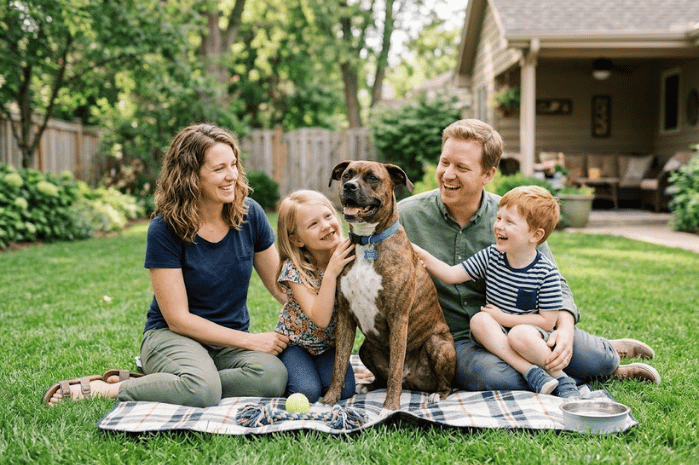
A Boxer Lab combines the energetic Boxer with the friendly Labrador Retriever. This cross is commonly called a Boxador or Lab Boxer cross. It usually suits active owners who want an affectionate, playful companion.
The mix can inherit traits from either parent in different proportions. Size, temperament, coat, and health risks can therefore vary from dog to dog. Understanding both parent breeds gives you the clearest picture of what to expect.
Boxer Lab at a Glance
| Trait | Typical Expectation |
|---|---|
| Other names | Boxador, Lab Boxer mix, Labrador Boxer mix |
| Parent breeds | Boxer and Labrador Retriever |
| Size | Medium to large |
| Common weight | Roughly 55–80 pounds |
| Height | Often around 21–25 inches |
| Coat | Short, usually easy to maintain |
| Energy level | High |
| Training needs | Moderate to high |
| Family fit | Often good with active families |
| Shedding | Low to moderate, sometimes heavier seasonally |
| Recognition | Crossbreed, not an AKC-recognized breed |
Direct answer: A Boxer Lab is an athletic Boxer-Labrador Retriever cross. Most are energetic, affectionate, and people-focused dogs needing daily exercise and consistent training. Adult appearance and behavior remain less predictable than a standardized breed because each dog can inherit a different combination of parental traits.
Key Takeaways
* Expect an active dog that needs meaningful daily exercise. * Adult size may fall near the ranges of both parent breeds. * Early training and socialization can make daily life easier. * Short coats are usually simple to maintain. * Health screening should cover risks found in both parent breeds. * Individual Boxadors can differ considerably, even within one litter.
What Is a Boxer Lab Mix?
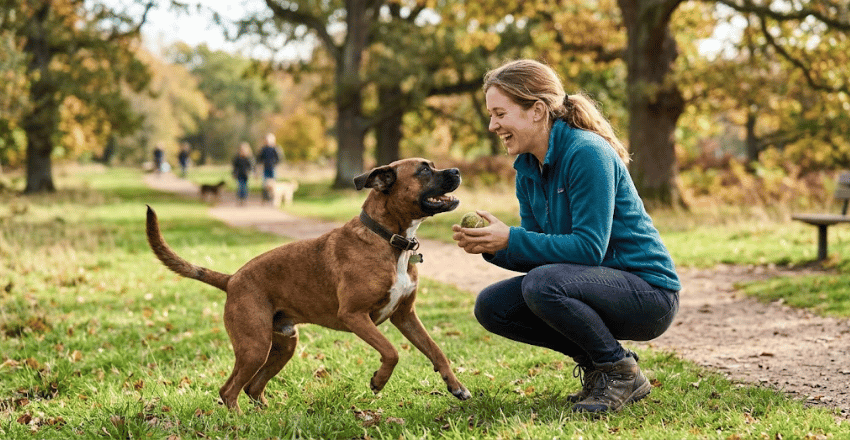
A Boxer Lab is a cross between a Boxer and Labrador Retriever. The name “Boxador” blends the names of its two parent breeds. It is a mixed dog, not a standardized breed.
That distinction matters because no official Boxador breed standard exists. Two puppies from the same litter may develop noticeably different features. One might favor the Boxer while another resembles a Labrador more closely.
The Boxer contributes an athletic build, alert nature, and playful personality. The Labrador often contributes sociability, enthusiasm, and a strong desire for activity. Both parents are energetic breeds that benefit from regular physical and mental engagement.
Boxador Size and Appearance
Most Boxadors become medium-to-large dogs with muscular, athletic bodies. Adult size depends heavily on the parents and inherited genetics. Estimates should therefore be treated as ranges rather than guarantees.
Labradors generally weigh 55 to 80 pounds and stand 21.5 to 24.5 inches. Male Boxers can reach about 25 inches, while females are typically smaller. Those parent ranges explain why many Boxadors fall around 55 to 80 pounds.
Their coats are usually short and relatively close to the body. Colors can include black, brown, yellow, fawn, brindle, or combinations with white markings. Facial shape may range from a longer Labrador muzzle to a shorter Boxer-influenced face.
Boxador Temperament and Personality
A well-socialized Boxador can be playful, affectionate, and strongly attached to its household. Both parent breeds enjoy human interaction and active family life. Individual temperament still depends on genetics, socialization, training, and past experiences.
Boxers are known for affectionate, playful, and protective tendencies. Labradors are commonly friendly, outgoing, and enthusiastic around people. A cross may inherit characteristics from either side rather than an exact personality average.
Many owners should expect youthful enthusiasm and plenty of physical energy. That excitement can become jumping, pulling, or destructive behavior without guidance. Consistent routines can help channel that energy into acceptable activities.
Are Boxadors Good Family Dogs?
A Boxador can suit families prepared for an energetic medium-to-large dog. Both parent breeds have reputations for strong family bonds. Supervision remains necessary whenever children and dogs interact.
Their enthusiasm also deserves consideration around toddlers or frail family members. An excited large dog can accidentally knock someone down during play. Early manners training can reduce jumping and uncontrolled greetings.
Children should also learn respectful behavior around the dog. They should avoid disturbing meals, sleep, or private resting areas. Adults should supervise interactions instead of expecting either child or dog to manage boundaries alone.
Exercise Needs and Daily Activity
Daily exercise is a major ownership requirement for this cross. Both Boxers and Labradors are energetic breeds that need regular activity. A short bathroom walk usually will not satisfy an active adult dog.
Useful activities include brisk walks, fetch, structured play, and training games. Some dogs may also enjoy swimming if they are comfortable and physically suited. Activity should match the individual dog’s age, health, fitness, and weather conditions.
Mental work matters alongside physical exercise. Food puzzles, scent games, obedience practice, and controlled exploration can provide useful stimulation. A mentally engaged dog is often easier to settle after exercise.
Training a Boxer Lab
Start training early because a powerful adult dog needs reliable household manners. Reward-based methods can teach behaviors without creating unnecessary conflict. Short, frequent sessions often work better than long repetitive drills.
Begin with recall, leash walking, settling, waiting, and polite greetings. Socialization should introduce new experiences gradually rather than overwhelming the puppy. Positive exposure helps dogs learn that unfamiliar environments are manageable.
Consistency among family members also matters. Everyone should use the same cues and household rules. Changing expectations can confuse a young dog and slow progress.
Grooming and Shedding
Boxadors usually have short coats that require modest routine care. Weekly brushing can remove loose hair and help monitor skin condition. Seasonal shedding may increase if the dog inherits more Labrador coat characteristics.
Baths should be given when the dog becomes dirty or develops an odor. Nails need routine trimming if normal activity does not wear them down. Teeth also benefit from regular brushing and veterinary dental guidance.
Routine grooming provides another practical benefit. It lets you check the ears, paws, skin, and body for changes. Early detection can help you discuss concerns with a veterinarian sooner.
Boxer Lab Health Concerns
Mixed ancestry does not guarantee freedom from inherited health problems. A Boxador can potentially inherit conditions seen in either parental line. Responsible breeding therefore requires attention to both Boxer and Labrador health recommendations.
Boxer screening recommendations include hip, elbow, thyroid, and several cardiac evaluations. They also include testing related to ARVC and degenerative myelopathy. Labrador recommendations include hip, elbow, eye, and several DNA-based health tests.
Labradors can also develop exercise-induced collapse and certain inherited eye conditions. Boxers have recognized cardiac concerns that deserve careful screening. Ask for documented health results rather than accepting verbal assurances alone.
Regular veterinary care remains important after bringing your dog home. Tablogy explains what routine veterinary relationships can provide throughout a pet’s life. Its guide to understanding your general veterinarian offers useful preparation for preventive care.
Choosing a Boxador Puppy or Rescue Dog
Start by evaluating the individual dog rather than choosing by appearance alone. Watch how the dog responds to people, handling, unfamiliar sounds, and calm recovery. Ask about health history, behavior, and previous living conditions.
For breeder puppies, request health testing from both parental lines. Meet at least the mother when practical and observe living conditions. Avoid sellers who refuse documentation or pressure you into immediate payment.
Rescue dogs can also make excellent companions when their needs match your household. Ask the organization what it has observed about energy, handling, dogs, cats, and children. Behavioral information from a foster home can be especially useful.
Before adoption, identify a veterinary clinic you can use locally. Tablogy’s guide to choosing the right veterinarian covers services, communication, emergency access, and location. Those factors can matter throughout a dog’s life.
Is a Boxador Right for You?
This cross usually fits owners who enjoy an active lifestyle and regular interaction. It may be frustrating for someone wanting a low-energy or highly independent dog. Space helps, but committed exercise matters more than simply owning a yard.
You should also be comfortable with training a strong medium-to-large dog. Daily structure can include walks, play, mental enrichment, and family activities. Time investment often matters more than complicated equipment.
Think about veterinary access before bringing the dog home. Tablogy’s guide to a first small animal hospital visit explains common exams and questions owners can prepare. Planning early can make routine care less stressful.
Boxador Pros and Considerations
| Potential Advantages | Things to Consider |
|---|---|
| Affectionate and people-focused | High daily exercise needs |
| Often playful and social | Can be boisterous when young |
| Usually straightforward coat care | Individual shedding varies |
| Can enjoy many family activities | Adult traits are less predictable |
| Often responsive to training | Needs consistent early training |
| Athletic and versatile | Health screening remains important |
The mix can be rewarding for the right household. Its greatest strengths can also create challenges without enough time and structure. Match your routine to the individual dog instead of relying on the Boxador label alone.
FAQ About the Boxer Lab
How big does a Boxador get?
Many adults fall within the medium-to-large range of their parents. Roughly 55 to 80 pounds is a reasonable reference range. Individual dogs may finish above or below it.
Is a Boxador aggressive?
Breed mix alone cannot predict whether an individual dog will behave aggressively. Genetics, socialization, health, learning, and environment all influence behavior. Evaluate each dog individually and address concerning behavior with a qualified professional.
Does a Boxador shed a lot?
Most have short coats, but shedding levels can vary considerably. Labrador influence may produce more noticeable seasonal shedding. Routine brushing can help control loose hair inside the home.
How much exercise does a Boxador need?
Most healthy adults need substantial daily activity and mental stimulation. Exact needs vary with age, health, temperament, and fitness. Your veterinarian can help establish safe exercise for an individual dog.
Are Boxadors easy to train?
Many can respond well to reward-based, consistent training. Their energy can make concentration difficult without suitable exercise and short sessions. Starting early helps establish useful habits before the dog reaches full strength.
The Bottom Line
A Boxer Lab can be an affectionate, energetic companion for an active household. Expect variation because this cross has no fixed breed standard. Choose the individual dog based on health, temperament, and lifestyle compatibility.
Before adopting or purchasing, review parental health information and plan for daily exercise. Prepare for consistent training, preventive veterinary care, and plenty of human interaction. Those steps provide a stronger foundation than choosing a puppy for appearance alone.